
Retail and e-commerce are undergoing a fundamental shift in the Middle East, and Oman is entering a critical growth phase. Consumer behavior is changing rapidly—buyers now expect convenience, speed, online availability, and trusted digital experiences. Businesses that position themselves early gain market share, while late movers struggle to compete once large platforms enter the market.
Globally, retail success is no longer defined by location alone. It is defined by digital visibility, operational readiness, and customer experience across online channels.
Services We Provide
- Search Engine Optimization
- Website Design & Development
- Paid Advertising
- Social Media Marketing
- Analytics & Growth
- Content & Branding
- Email & Automation
- Automotive Car Rental Marketing
- Finance & Fintech Marketing
- Food Beverage Building Healthcare
- Real Estate & Property Marketing
- Retail & E-Commerce Marketing
- Tourism And Hospitality Marketing
Let's Have a Call
Regionally, e-commerce growth has already reshaped markets such as the UAE and Saudi Arabia. As these markets mature, attention is shifting toward Oman as the next scalable retail and e-commerce destination.
There have been strong industry signals and regional reports indicating that Amazon is evaluating expansion opportunities in Oman as part of its long-term Middle East growth strategy. While timelines are not publicly confirmed, the pattern is clear:
Amazon typically enters markets after local digital infrastructure and consumer adoption reach a certain maturity level.
For local retailers, this creates both opportunity and risk:
- Opportunity for businesses that prepare early
- Risk for those that remain offline or under-optimized
Once global marketplaces enter, competition increases overnight.
When Amazon enters the market, it changes customer expectations immediately:
- Faster delivery
- Transparent pricing
- Seamless user experience
- Strong search visibility
Retailers that are not digitally positioned before this shift often lose visibility, margins, and direct customer relationships. Those that prepare early—by building strong online stores, brand authority, and digital marketing systems—are better positioned to compete, collaborate, or leverage marketplaces strategically.
This is why positioning now is not optional, but it is strategic.
Modern retail customers follow a predictable journey:
- Online discovery (search, social, ads)
- Comparison of price, trust, and convenience
- Brand validation through content, reviews, and experience
- Purchase—online or offline
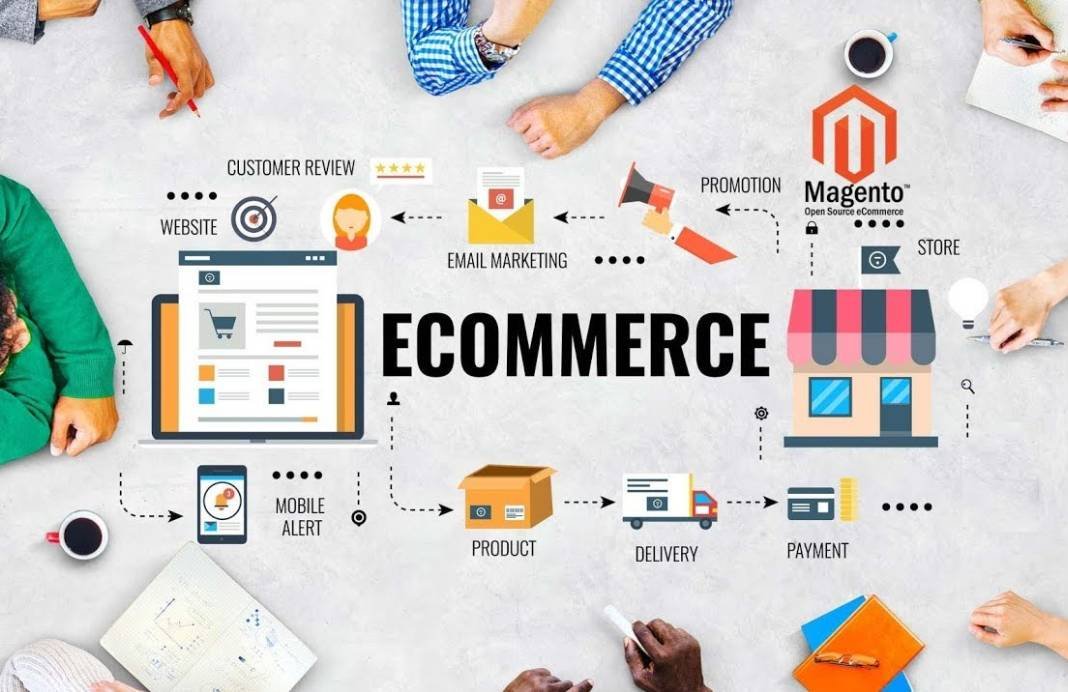
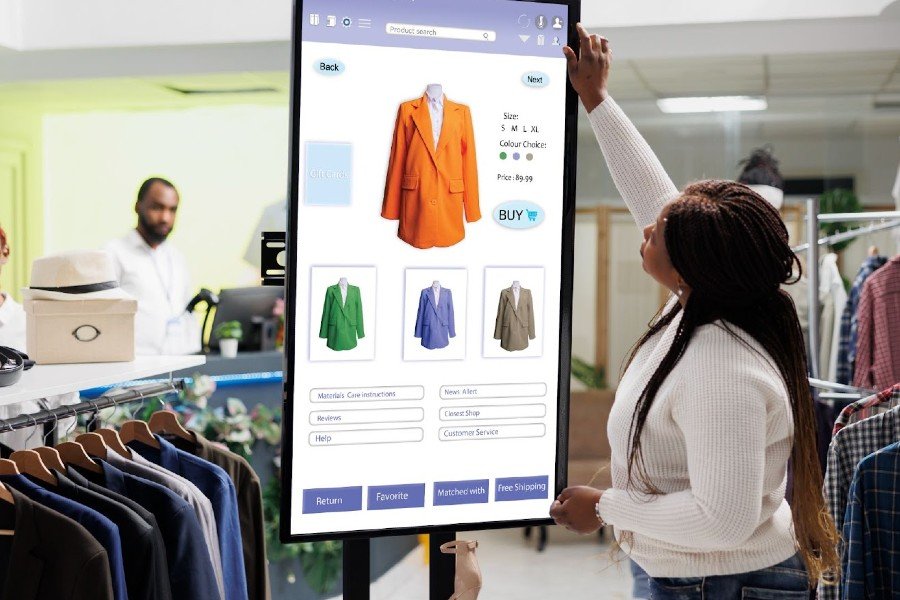
E-commerce is no longer separate from retail. Physical stores and online platforms now support each other. Businesses that integrate both gain a competitive advantage.
This applies to:
- Local retailers
- Multi-location retail brands
- Direct-to-consumer (DTC) brands
- Wholesalers entering online sales
- Niche and specialty product sellers
E-Commerce Readiness: More Than just a website
Many businesses believe launching a website means they are “e-commerce ready.” In reality, readiness involves:
- Product visibility and discoverability
- Conversion-optimized user experience
- Payment and logistics integration
- Marketing systems that drive demand
Paid Advertising for Sales Velocity
Paid advertising is critical for retail and e-commerce, especially during growth and competitive phases.
Paid strategies support:
- Product launches and promotions
- Inventory movement
- Seasonal and campaign-driven sales
- Retargeting high-intent shoppers
Data, Customer Ownership, and Long-Term Value
One of the biggest risks of relying only on marketplaces is losing direct access to customer data. Businesses that build their own digital ecosystem retain:
- Customer relationships
- Behavioral insights
- Repeat purchase opportunities
How i-Tech Digital Supports Retail & E-Commerce Growth
With experience across U.S., regional, and emerging markets, i-Tech Digital helps retail and e-commerce businesses prepare for market shifts before they happen.
Support includes:
- E-commerce SEO and product visibility strategies
- Paid advertising systems designed for scale
- Social media and content that support conversions
- Website and funnel optimization
- Analytics and performance tracking
Search Visibility That Drives Product Demand
Search engines remain one of the strongest drivers of purchase intent. Customers actively search for products, brands, and comparisons.
Effective SEO strategies for retail and e-commerce focus on:
- Product and category search optimization
- Brand and non-brand demand capture
- Local and regional buyer intent
- Content that supports decision-making
Social Commerce and Brand Trust
Social media plays a growing role in retail decision-making. Customers discover products, compare brands, and validate trust through social platforms.
Effective social strategies include:
- Product-focused content and storytelling
- Influencer-style and user-generated content
- Social proof and customer engagement
- Paid social campaigns supporting conversions
Why Early Digital Positioning Matters Now
Markets do not become competitive gradually—they change suddenly. When major platforms enter, the businesses that win are those that:
- Already have online visibility
- Understand digital acquisition
- Have optimized websites and funnels
- Can scale marketing quickly
A Market That Rewards Early Movers
Oman’s retail and e-commerce landscape is entering a defining phase. As international platforms evaluate expansion and consumer behavior continues to shift online, businesses that invest early in digital marketing and e-commerce infrastructure gain a long-term advantage.
Retail success in the coming years will belong to brands that are visible, trusted, and digitally prepared—not those trying to catch up.