

Digital Strategies Built to Drive Leads, Bookings, and Vehicle Revenue
The automotive and car rental industry is highly competitive, price-sensitive, and volume-driven. Whether operating an auto repair shop, selling new or used vehicles, managing spare parts distribution, or running a car rental business, marketing performance directly impacts daily revenue, utilization rates, and inventory turnover.
Customers today research online before making decisions—comparing prices, reviews, availability, and trust signals. Effective automotive marketing is not about traffic alone; it is about qualified inquiries, service bookings, test drives, rental reservations, and repeat customers.
Automotive customers follow a clear and practical journey:
- Online search for services, vehicles, or rentals
- Comparison of prices, availability, and reviews
- Validation through reputation, social proof, and brand presence
- Direct action: booking a service, requesting a quote, test drive, or rental
Marketing strategies must align with this behavior. Visibility without credibility leads to lost customers, while credibility without visibility limits growth.
This applies across:
- Auto repair and service centers
- New car dealerships
- Used car sales operations
- Auto spare parts businesses
- Short-term and long-term car rental companies
Services We Provide
- Search Engine Optimization
- Website Design & Development
- Paid Advertising
- Social Media Marketing
- Analytics & Growth
- Content & Branding
- Email & Automation
- Automotive Car Rental Marketing
- Finance & Fintech Marketing
- Food Beverage Building Healthcare
- Real Estate & Property Marketing
- Retail & E-Commerce Marketing
- Tourism And Hospitality Marketing
Let's Have a Call
Custom Web Design for Brand Differentiation
Search engines are one of the strongest demand drivers in the automotive industry. Customers actively search for repair services, vehicles, spare parts, and rentals—often with immediate intent.
Effective SEO strategies focus on:
- Local service and repair searches
- Vehicle-specific and brand-based queries
- Used and new car buyer intent
- Rental availability and location-based demand
The objective is to appear exactly when customers are ready to act, driving phone calls, walk-ins, and inquiries that convert into revenue.
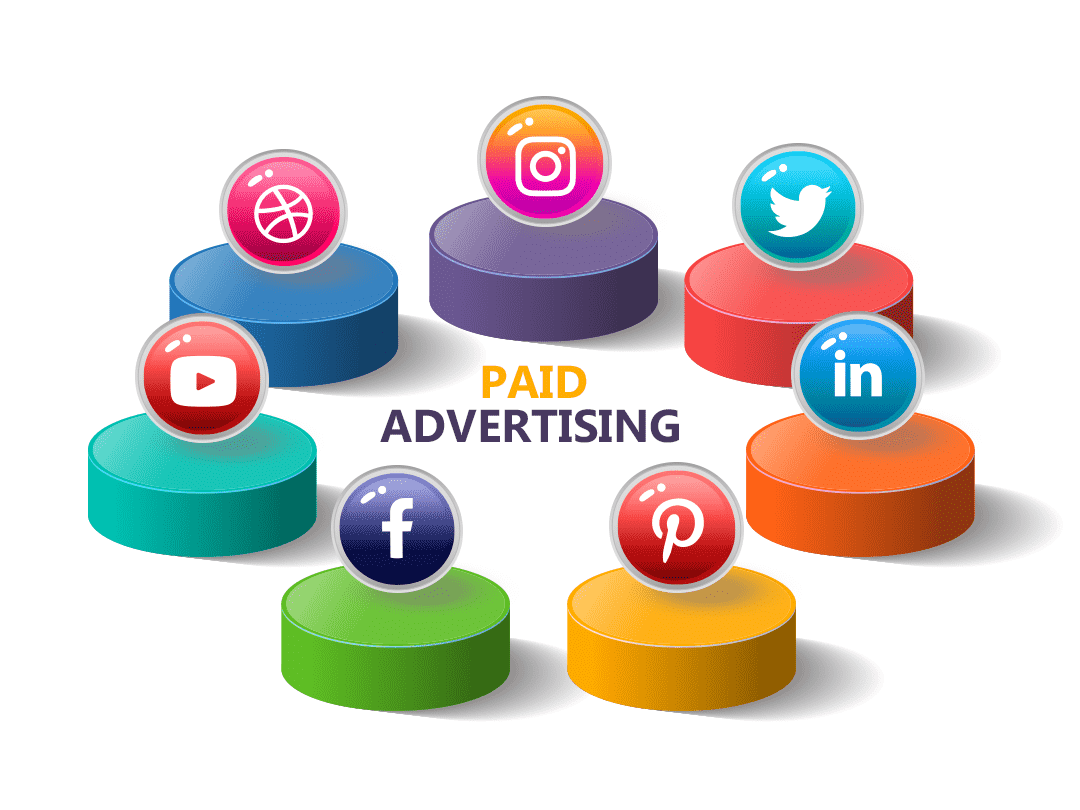
Paid advertising plays a critical role in automotive and rental businesses, especially in competitive locations and high-demand seasons.
Paid strategies support:
- Service bookings for auto repair shops
- Vehicle promotion for new and used car sales
- Inventory movement and clearance campaigns
- Car rental availability during peak travel periods
Well-managed campaigns focus on high-intent searches and retargeting, ensuring budgets generate inquiries rather than low-quality clicks.
For auto repair and service businesses, local visibility and reputation are everything. Customers choose workshops based on proximity, reviews, and trust.
Marketing strategies focus on:
- Strong local search presence
- Review generation and management
- Clear service offerings and pricing visibility
- Easy booking and contact options
A consistent digital presence turns one-time customers into repeat service clients.
Vehicle sales marketing requires a balance between visibility and trust. Buyers invest significant time researching before committing.
Effective strategies include:
- Inventory-focused campaigns
- Price and value comparison messaging
- Test-drive and inquiry-driven landing pages
- Retargeting interested buyers
For used car sales, transparency, reviews, and credibility are key. For new car sales, brand positioning and availability drive decisions.
Auto spare parts businesses operate in a fast-moving, demand-driven environment. Customers search for availability, compatibility, and speed.
Marketing strategies focus on:
- Product and category visibility
- Local and regional demand targeting
- Clear pricing and availability
- B2B and wholesale lead generation
Strong digital positioning ensures parts businesses remain visible to both end customers and workshops.
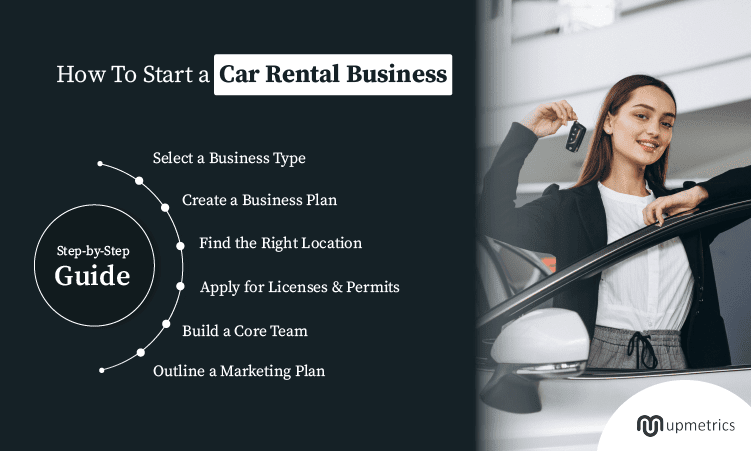
Car rental marketing is driven by availability, pricing, and timing. Customers search for rentals based on location, duration, and convenience.
Effective rental marketing includes:
- Location-based visibility
- Seasonal and event-driven campaigns
- Short-term and long-term rental targeting
- Direct booking optimization
The goal is to increase vehicle utilization while reducing dependency on third-party booking platforms.
Social Media That Supports Trust and Demand
Social media plays a supporting role in automotive marketing by building familiarity, trust, and brand recall.
Effective social strategies include:
- Showcasing services, vehicles, and fleet
- Sharing customer experiences and reviews
- Promoting offers and seasonal campaigns
- Retargeting engaged users
Website Experience and Conversion Optimization
Automotive websites must be built for action, not just information. Poor user experience results in lost calls, bookings, and sales.
High-performing automotive websites focus on:
- Clear service and inventory navigation
- Fast load speeds and mobile usability
- Simple inquiry, booking, and contact flows
- Trust signals and professional presentation
Analytics, Lead Quality, and Performance Tracking
Automotive marketing success is measured by calls, bookings, test drives, rentals, and sales, not vanity metrics.
Performance tracking focuses on:
- Lead source quality
- Cost per booking or inquiry
- Conversion rates by channel
- Inventory and fleet performance

Automotive and car rental marketing succeeds when it:
- Matches real customer intent
- Drives immediate, high-quality inquiries
- Builds trust through visibility and reviews
- Supports daily operational revenue
This industry requires precision, speed, and consistency, not generic digital marketing tactics.
Whether you need:
- A custom business website
- ERP or CMS development
- A high-converting landing page
- A scalable e-commerce platform
itech Digital provides future ready website design and development solutions tailored for Oman’s evolving digital economy.
- What type of website is best for my business?
-
The best website depends on your goals—whether it’s lead generation, online sales, or system integration.
- What is the role of a CMS?
-
A CMS allows you to update and manage website content easily without technical expertise.
- Why are landing pages important for marketing campaigns?
-
Landing pages are designed for conversion, helping turn visitors from ads or campaigns into leads or customers.