



Digital Strategies Built to Generate Qualified Leads and Close Deals

Real estate and property marketing is driven by visibility, trust, and timing. Buyers, sellers, investors, and tenants research extensively before making decisions, and digital presence plays a critical role in shaping those choices. Effective real estate marketing is not about traffic alone, it is about qualified inquiries, serious buyers, and conversion-ready leads.

Whether marketing residential properties, commercial assets, luxury developments, or rental portfolios, success depends on aligning digital strategy with how property decisions are made.

How Property Buyers and Investors Make Decisions

Real estate decisions follow a structured journey:

  1. Online research and location discovery
  2. Property comparison and price evaluation
  3. Trust validation through brand presence, listings, and reviews
  4. Direct inquiry, viewing, or consultation

Marketing must support each stage of this journey. Appearing late—or inconsistently—results in lost opportunities to competitors. Real estate marketing strategies must ensure constant visibility during research, credibility during comparison, and clarity when prospects are ready to act.

This applies to:

  • Residential real estate agencies
  • Commercial property firms
  • Developers and project marketers
  • Property management companies
  • Luxury and high-value real estate brands
Search Visibility That Attracts High-Intent Leads

Search engines are one of the most powerful lead sources in real estate. Buyers and investors search by location, property type, price range, and intent.

Effective SEO strategies focus on:

  • Location-based property searches
  • Residential and commercial service keywords
  • Investment and rental intent queries
  • Optimized listing and service pages

The goal is not just ranking—but capturing motivated prospects actively looking to buy, sell, rent, or invest

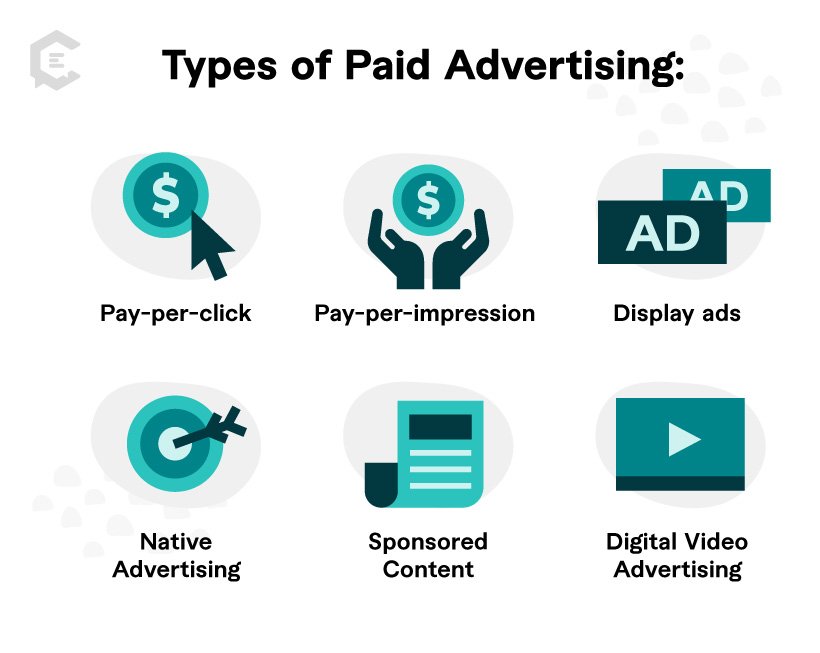
Paid Advertising That Supports Sales Velocity

Paid advertising plays a crucial role in real estate by accelerating lead generation and promoting active listings or developments. Campaigns must be tightly controlled to avoid low-quality inquiries.

Paid strategies focus on:

  • Property and project-specific campaigns
  • Location and demographic targeting
  • Retargeting interested visitors
  • Budget alignment with sales timelines

When managed correctly, paid advertising shortens sales cycles, supports project launches, and increases lead volume without sacrificing quality.

Social Media Marketing for Property Discovery and Trust

Social media has become a major discovery platform for real estate. Buyers often encounter properties through visual content before actively searching.

Effective social strategies include:

  • Property showcases and walkthroughs
  • Video content for listings and developments
  • Market insights and educational posts
  • Retargeting ads for interested users

For luxury real estate, social media supports perception and exclusivity. For residential and rental markets, it supports visibility and inquiry generation.

image

Content & Branding That Builds Credibility

Real estate is a trust-driven industry. Content and branding influence how credible and professional a property business appears.

Strong content strategies include:

  • Market insights and buyer guides
  • Investment-focused content
  • Project and development storytelling
  • Clear brand positioning and messaging
  • Consistent branding helps agencies and developers stand out in competitive markets and reassures clients during high-value decisions.
image

Marketing for Residential, Commercial, and Luxury Property

Different property segments require different approaches.

Residential real estate marketing focuses on:

  • Local visibility
  • Buyer and seller intent
  • Speed and volume of inquiries
Commercial property marketing emphasizes:
  • Investment value
  • Long-term ROI messaging
  • Professional and corporate positioning
Luxury real estate marketing priorities:
  • Brand perception and exclusivity
  • Visual storytelling
  • International and high-net-worth targeting
Effective marketing adapts strategy based on property type and audience.

image

Analytics, Lead Quality, and ROI Tracking

Real estate marketing performance must be measured by lead quality and conversion, not clicks alone.

Tracking focuses on:

  • Source of inquiries
  • Cost per qualified lead
  • Conversion to viewings and sales
  • Campaign and channel performance
Data-driven optimization ensures marketing budgets are invested where they generate real returns.

image

Website Experience and Lead Conversion Optimization

A real estate website is a lead-generation platform, not just a property catalog. Poor structure, slow loading, or unclear calls to action reduce inquiries and waste marketing spend.

High-performing real estate websites focus on:

  • Easy property discovery and filtering
  • Clear inquiry and contact paths
  • Mobile-first user experience
  • Trust signals and professional presentation
  • Every visit should have a clear next step, whether booking a viewing, requesting details, or contacting an agent.
image

Property Developers & Project Marketing

Developers face unique challenges, including long sales cycles, phased launches, and large inventory.

Marketing strategies for developers focus on:

  • Pre-launch awareness
  • Lead capture and nurturing
  • Project-specific landing pages
  • Continuous remarketing throughout the sales cycle
The objective is to maintain demand momentum from launch through sell-out.

image

A Practical Marketing Approach for Real Estate Businesses

Real estate and property marketing succeeds when it:

  • Aligns with buyer and investor behavior
  • Generates qualified, actionable leads
  • Supports agents, sales teams, and developers
  • Balances short-term inquiries with long-term brand value

This industry requires precision, credibility, and performance, not generic marketing tactics.